
analysis / NFL
Two-minute drill clock management: what works in 2026
NFL teams down one score scored on 16 of 52 late drives through Week 10 of 2026. What two-minute drill clock management did for them, and what it didn't.
2026 regular season, Weeks 1 to 10 (150 games). Data checked
On this page
The short version
- Through Week 10 of 2026, NFL teams trailing by one score that started a drive in the last two minutes of the fourth quarter scored on 16 of 52 tries: nine field goals and seven touchdowns.
- Teams that began those drives with two or three timeouts scored on 3 of 13. Teams with none scored on 6 of 28, close to the same rate.
- A play of 20 yards or more separated the drives better: 11 of 23 drives that had one scored, against 5 of 29 that did not.
- Trailing offenses passed on 82.7% of their fourth-quarter plays inside two minutes, against 55.3% in the rest of the game, and 41.9% of those passes fell incomplete.
In the last two minutes of the fourth quarter, an NFL offense that trails throws on about 83% of its plays and skips the huddle on about a fifth of them. It usually doesn't work. Through Week 10 of the 2026 regular season, teams down one score that started a drive inside two minutes scored on 16 of 52 tries.
The version of this post we published a year ago was a tour of the rulebook, with a table of how often teams pass, spike and kneel. It never asked which drives score. This time we pulled all 52 and expected timeouts to sort them, because the clock is what everyone in the building is watching. They didn't sort them. Teams that started with two or three timeouts scored about as often as teams with none.
So here is what we'll argue. A timeout in the pocket buys seconds, and seconds were rarely what these offenses were short of. The drives that scored got a big play, and several never touched their timeouts at all. We'll follow one ending the whole way, the last 2:15 of Washington at the Giants in Week 10, because both halves of the argument happened there within a minute of each other. Then the count across the league, and the part of it we can't settle.
The last 2:15 at MetLife
We went looking for a game where a team did everything the textbook says and still lost the clock battle. The Giants gave us a better one. On November 12, in light rain, they led the Commanders 21-17 with the ball in Washington territory and 2:15 left.
They ran three times, as a leading team does. Washington spent two timeouts stopping the clock, and the Giants' punt then went 12 yards and out of bounds.
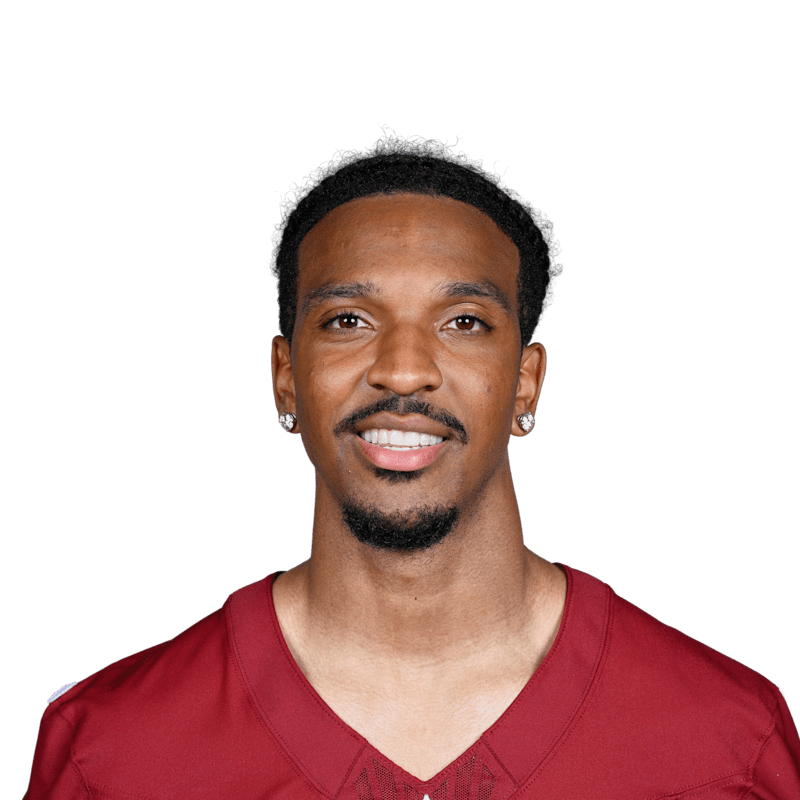
Washington had the ball at its own 29 with 1:46 left and one timeout. The first throw by Jayden Daniels fell incomplete, and a 33-yard pass interference flag moved the ball into Giants territory anyway.
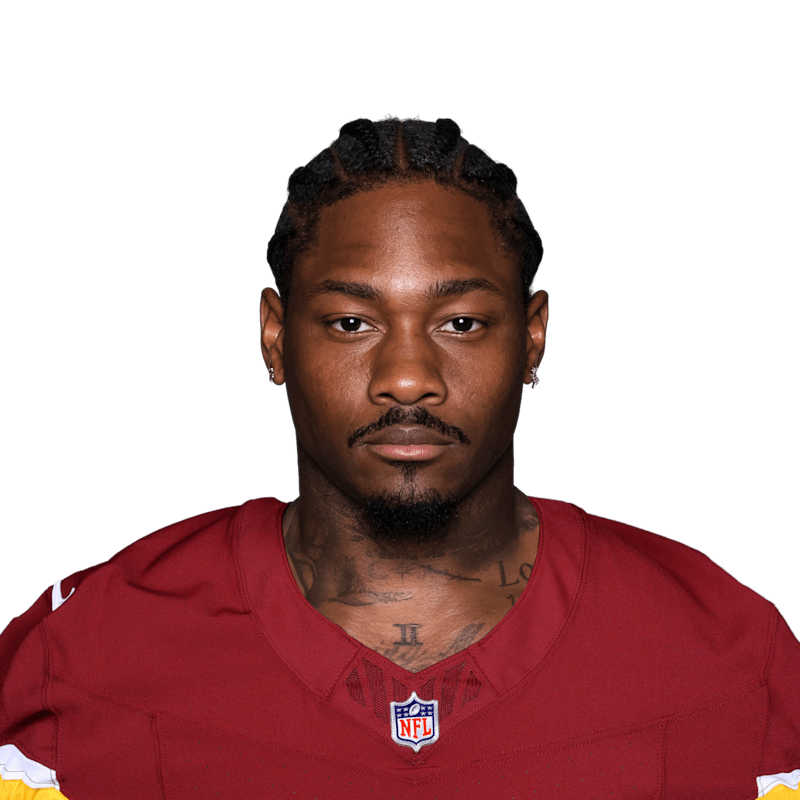
Two short plays later the clock was running, and Washington let it run for 28 seconds with the timeout still in its pocket. On third down Daniels hit Stefon Diggs for 32 yards and the touchdown. That was four snaps, with no timeout called and no spike.
The Giants got the ball back with 48 seconds and all three timeouts, needing only a field goal to tie. If you had asked us beforehand which of these two drives was in better shape, we would have said this one.
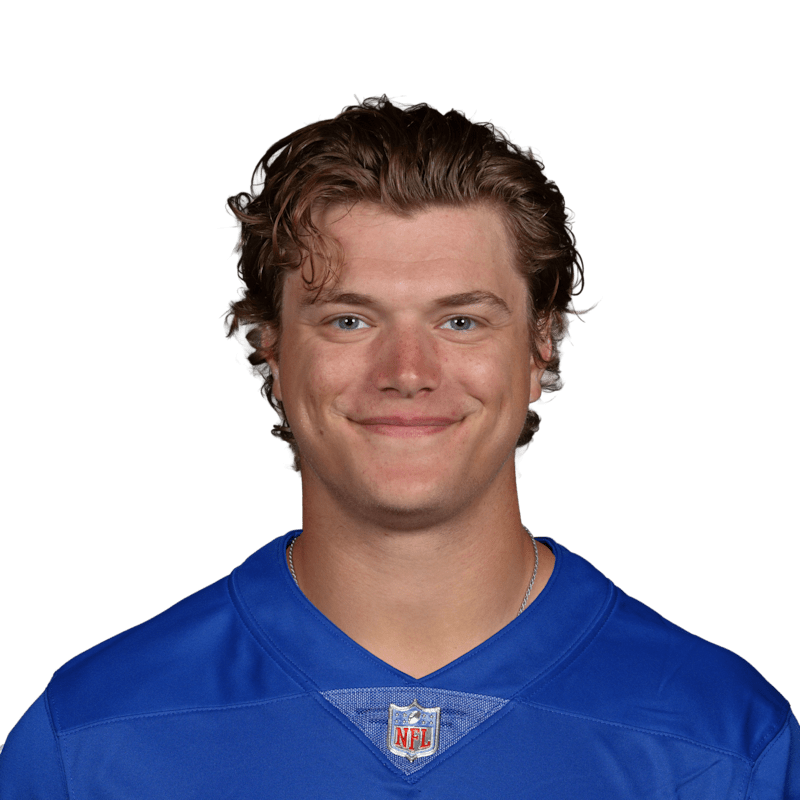
J.J. McCarthy completed a 21-yard pass to the sideline and the Giants spent a timeout. Then came two incompletions and, on third down, an interception deep in Washington territory with 34 seconds left. The game ended 24-21 to Washington, with two timeouts still in the Giants' pocket.
Washington's timeouts did their work on defense, before the drive, by getting the ball back with 1:46 on the clock. On the drive itself the one it had left was never needed.
Timeouts in the pocket
One game is an anecdote, so we counted. The table has every drive through Week 10 that began in the last two minutes of the fourth quarter with the offense trailing by one to eight points, grouped by how many timeouts the offense held at its first snap.
| Timeouts at first snap | Drives | Scored | Rate |
|---|---|---|---|
| None | 28 | 6 | 21% |
| One | 11 | 7 | 64% |
| Two | 10 | 3 | 30% |
| Three | 3 | 0 | 0% |
We expected a staircase, with each extra timeout lifting the rate. The table doesn't climb. Teams with two or three timeouts scored on 3 of 13 drives, about the rate of teams with none.
They also had the easier job. Their median drive started with 1:42 left, against about a minute for the no-timeout group, and most of them needed only a field goal. The one-timeout row is the best in the table, which mostly tells you how little 11 drives can prove.
What happened inside the drives points the same way. Of the 16 that scored, 12 never called a timeout during the drive, and six of those 12 had at least one to call. Of the 36 that failed, 10 ended with a timeout unspent, the Giants' among them.
It happened twice more in two weeks
We assumed the Giants' ending was a one-off until we read the rest of the list. The same sequence, a late touchdown by one team and a reply drive that died holding timeouts, shows up in Week 9 and again three days after MetLife.
| Team | Game | Clock at first snap | Timeouts held | Timeouts unspent | Ended on |
|---|---|---|---|---|---|
| New York Giants | Week 10 vs Washington | 0:48 | 3 | 2 | Interception |
| Houston Texans | Week 10 at Cleveland | 0:47 | 2 | 2 | Downs |
| Indianapolis Colts | Week 9 vs Dallas | 1:03 | 2 | 2 | Interception |
The Texans started at their own 15 in Cleveland, down three, and threw five incompletions in seven snaps, with a sixth pass wiped out by a holding flag. The Colts opened with an intentional grounding penalty and threw an interception two plays later. Neither called a timeout, because neither drive ever had a gain worth protecting.
Look at the touchdowns they were answering, and you see Washington's again. The Cowboys had no timeouts at all in Indianapolis and opened with a 46-yard completion. The Browns had two against Houston, hit a 30-yard pass and scored without using either.
There is a fair counterexample, and it is Cleveland's own. A week earlier against the Saints the Browns were the replying team, down three with 53 seconds and two timeouts. They spent both, the second right after a 30-yard completion, and kicked a 51-yard field goal to force overtime. The timeouts mattered there because there was a big gain to spend them on. (They lost in overtime, 23-22.)
What sorted the 52
If timeouts didn't split the drives, two plainer things did. The first is what the offense needed. Teams trailing by three or fewer scored on half their drives, and teams that needed a touchdown scored on one in six. The second is one big play, a gain or a defensive penalty of 20 yards or more.
| Split | Drives | Scored |
|---|---|---|
| Needed a field goal (down 1 to 3) | 22 | 11 |
| Needed a touchdown (down 4 to 8) | 30 | 5 |
| Had a play of 20 yards or more | 23 | 11 |
| No play of 20 yards or more | 29 | 5 |
Read the bottom two rows together. A drive with one long play scored about as often as a drive that needed only a field goal.
The second split flatters itself a little, since any drive that travels far is more likely to contain a long play. It still says something about the method. The median drive in this sample started 70 yards from the end zone, and short completions over the middle cost seconds a team rarely gets back.
Steven Ruiz made the neighboring point at The Ringer in 2023, in a piece on how coaches burn timeouts early: "Save your timeouts for the end of halves." We agree, and Washington's last two minutes are the tidy version of his advice. The timeouts it saved went on defense to buy a possession. He also cites an estimate that a timeout is worth about three points of win probability, which is a different question from ours, and one our 52 drives are too few to test. Our post on how win probability models work covers what those estimates are built from.
What the plays look like
The old version of this post was mostly this table, so here it is with 2026 numbers. We kept the fourth quarter only, since that is where the 52 drives live.
| Offense is | Plays | Pass share | No-huddle | Spikes | Kneels |
|---|---|---|---|---|---|
| Trailing | 593 | 82.7% | 20.9% | 29 | 2 |
| Tied | 97 | 63.6% | 6.2% | 1 | 8 |
| Leading | 337 | 11.9% | 0.0% | 0 | 186 |
The trailing row is the drill as fans picture it, and it comes with a cost the highlights skip. Of the 465 passes in that row, 195 fell incomplete, about 42%, against about 30% in the rest of the game. An incompletion stops the clock for free, and it also burns a down, which is how 11 of the 52 drives ended on downs. The leading row is the Giants' three runs: more than half of it is kneels.
What we can't settle
Fifty-two drives is ten weeks of football and a small sample for a question with this many moving parts. Thirteen of them had two or more timeouts. If the next ten weeks put that group at 6 of 13, the table above turns into the staircase we first expected.
The clock was not absent from the failures, either. Half of the 36 took their last snap with 10 seconds or fewer on it, so time was running out even where the official result reads interception or downs. What the play-by-play can't tell us is the thing a coach would want to know: whether a timeout called 30 seconds earlier would have changed the throw. It records when a timeout was taken, never why one was kept.
FAQ
What is a two-minute drill in the NFL? It is an offense trying to score before a half runs out, usually with fast or no-huddle snaps and mostly passes. The name comes from the two-minute warning, an automatic timeout at the end of the last down snapped before two minutes remain in the second and fourth quarters.
Does spiking the ball help in a two-minute drill? It stops the clock and costs a down. Through Week 10 of 2026, drives with one or more spikes scored on 3 of 16 tries, against 13 of 36 without a spike. That gap is mostly circumstance: 13 of the 16 spiking teams had no timeouts left, so a spike marks a drive that was already short of options.
How many timeouts does an NFL team get? Three charged timeouts in each half, and two in a regular-season overtime period.
Do teams that score on a late drive win the game? Often, but a score is not a win. Of the 16 scoring drives in this sample, nine belonged to the team that won. Six of the 16 scores only tied the game at the time, five field goals and one touchdown.
What we'd do with two minutes left
We came into this thinking the last two minutes were a clock problem with a football attached. We now think it's closer to the other way around. Washington scored with a timeout it never used, the Giants lost holding two, and across the league the teams with the most timeouts did no better than the teams with none.
When a close game reaches the two-minute warning we'd still count the timeouts, mostly to see what the defense can do with them. Then we'd look at what the offense needs, a field goal or a touchdown, and whether it has hit anything long all day. A week-by-week habit is safer than one game here, for the reason our piece on recent games against the season average gives.
If the second half of the season shows teams with two and three timeouts pulling clear of teams with none, we were fooled by 13 drives, and we'll say so when we update this. Until then, we'd watch the first play of the drive more closely than the timeouts.
Play-by-play from the nflverse file for the 2026 regular season, Weeks 1 to 10 (150 games), downloaded November 22, 2026. Final scores and passing lines were checked against StatPro box scores the same day.
Try it on StatPro
NFL scores and box scoresOpen any close game and check the fourth-quarter line next to the passing numbers.In this article
 Jayden DanielsQB · CommandersStats JM
 J.J. McCarthyQB · VikingsStats SD
 Stefon DiggsWR · CommandersStats WC
 Washington CommandersNFL teamTeam NY
 New York GiantsNFL teamTeam HT
 Houston TexansNFL teamTeam CB
 Cleveland BrownsNFL teamTeam IC
 Indianapolis ColtsNFL teamTeam DC
 Dallas CowboysNFL teamTeam NO
 New Orleans SaintsNFL teamTeam
Sources
- nflverse-data release pbp, file play_by_play_2026.csv.gz (downloaded November 22, 2026; Weeks 1 to 10 used) (opens in a new tab)
- nflreadr data dictionary: play-by-play (read November 22, 2026) (opens in a new tab)
- 2026 NFL Official Playing Rules, Rules 3, 4 and 8 (read November 22, 2026) (opens in a new tab)
- Steven Ruiz, The Art of Calling a Timeout in the NFL, The Ringer, January 12, 2023 (read November 22, 2026) (opens in a new tab)
- StatPro box score: Commanders 24, Giants 21, November 12, 2026 (viewed November 22, 2026) (opens in a new tab)
- StatPro box score: Texans 24, Browns 27, November 15, 2026 (viewed November 22, 2026) (opens in a new tab)
- StatPro box score: Cowboys 27, Colts 23, November 8, 2026 (viewed November 22, 2026) (opens in a new tab)
- StatPro box score: Browns 22, Saints 23, November 8, 2026 (viewed November 22, 2026) (opens in a new tab)
- More in Game analysis
- NFL
- two-minute drill
- clock management
- timeouts
- play-by-play
Keep reading
How win probability models work, tested on 151 NFL games
What goes into a win probability model, and how the 2026 pregame numbers held up over 151 NFL games, including three Arizona wins as a big underdog.
Which NFL defenses allow the most to running backs? 2026
Dallas allows running backs the most PPR points, 29.1 a game. Las Vegas allows the most rushing yards, 131.9. Five receiving touchdowns explain the gap.
How to Adjust a Pregame Model for Injuries
In 2026, NFL players listed questionable have played 67% of the time. How to turn that into a pregame rating adjustment, and what the tag leaves out.