Comprehensive preview of the 2025 NFL Draft featuring top quarterback prospects Shedeur Sanders and Cam Ward, elite edge rusher Abdul Carter, and analysis of all position groups plus team needs for the top 10 picks.
Wesley Thompson
The war rooms are prepped. The mock drafts are finalized. The prospects have been measured, timed, and scrutinized from every angle. As the football world turns its attention to historic Lambeau Field in Green Bay, Wisconsin, the 2025 NFL Draft looms as a pivotal moment that will reshape franchises and fulfill lifelong dreams.
Unlike last year's quarterback bonanza that saw six signal-callers taken in the first dozen picks, this year's draft brings a different kind of drama. The Tennessee Titans, battered after a dismal 3-14 campaign, hold the keys to the kingdom with the first overall selection. Will they stake their future on Colorado's poised pocket passer Shedeur Sanders or Miami's strong-armed gunslinger Cam Ward? Or might they shock the world with a pivot to the draft's most electric defender? What makes this draft so compelling isn't just the uncertainty at the top – it's the abundance of defensive game-changers lurking throughout the first round. Penn State's Abdul Carter, a tornado off the edge with first-step explosiveness that offensive tackles have nightmares about, headlines what analysts are calling the strongest edge rushing class in years. Then there's Travis Hunter, the two-way sensation and Heisman Trophy winner whose rare ability to dominate as both cornerback and receiver has teams debating not just when to draft him, but how to deploy him.
As the countdown to April 24th continues, one thing is clear: in a league where one pick can alter a franchise's trajectory for years to come, the 2025 NFL Draft promises high-stakes drama that even the most elaborate Vegas production can't match.
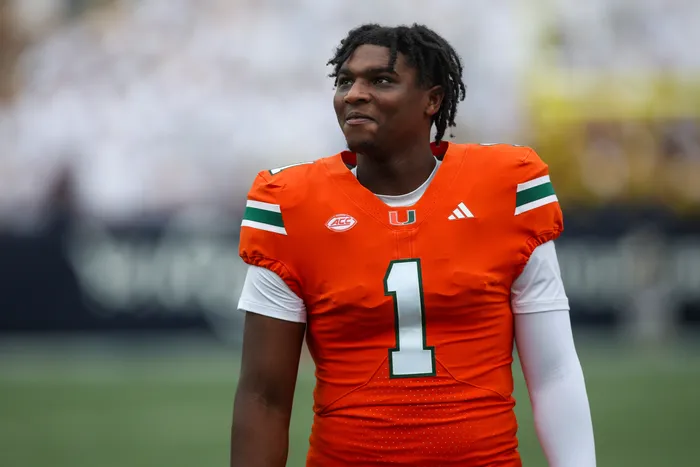
The 2025 quarterback class doesn’t have the surefire star power of last year’s group, but there are still a few intriguing prospects at the top. Shedeur Sanders (Colorado) and Cam Ward (Miami via Washington State) have emerged as the headliners, though evaluators are split on their ceiling. Sanders is a poised pocket passer who transformed two college programs into winners, displaying superb timing, touch, and anticipation. Ward, a strong-armed gunslinger with experience in multiple systems, offers Pro Bowl potential with his confidence and ability to stretch the field. Behind them, prospects like Jaxson Dart (Ole Miss) – a vertical passing specialist with mobility – and Jalen Milroe (Alabama) – an electric dual-threat athlete – bring upside but also inconsistency.
Overall, it’s considered a lighter QB crop in terms of “can’t-miss” talent; unlike 2024 (which saw six QBs in the first 12 picks), this year’s class lacks an obvious top-5 lock. Still, quarterback-needy teams will certainly take their swings early, even if these passers come with more questions than last year’s cohort. In fact, many mock drafts project Sanders or Ward to go No. 1 overall to kick off the draft, underscoring how positional value can push QBs up the board despite a relative lack of star power.
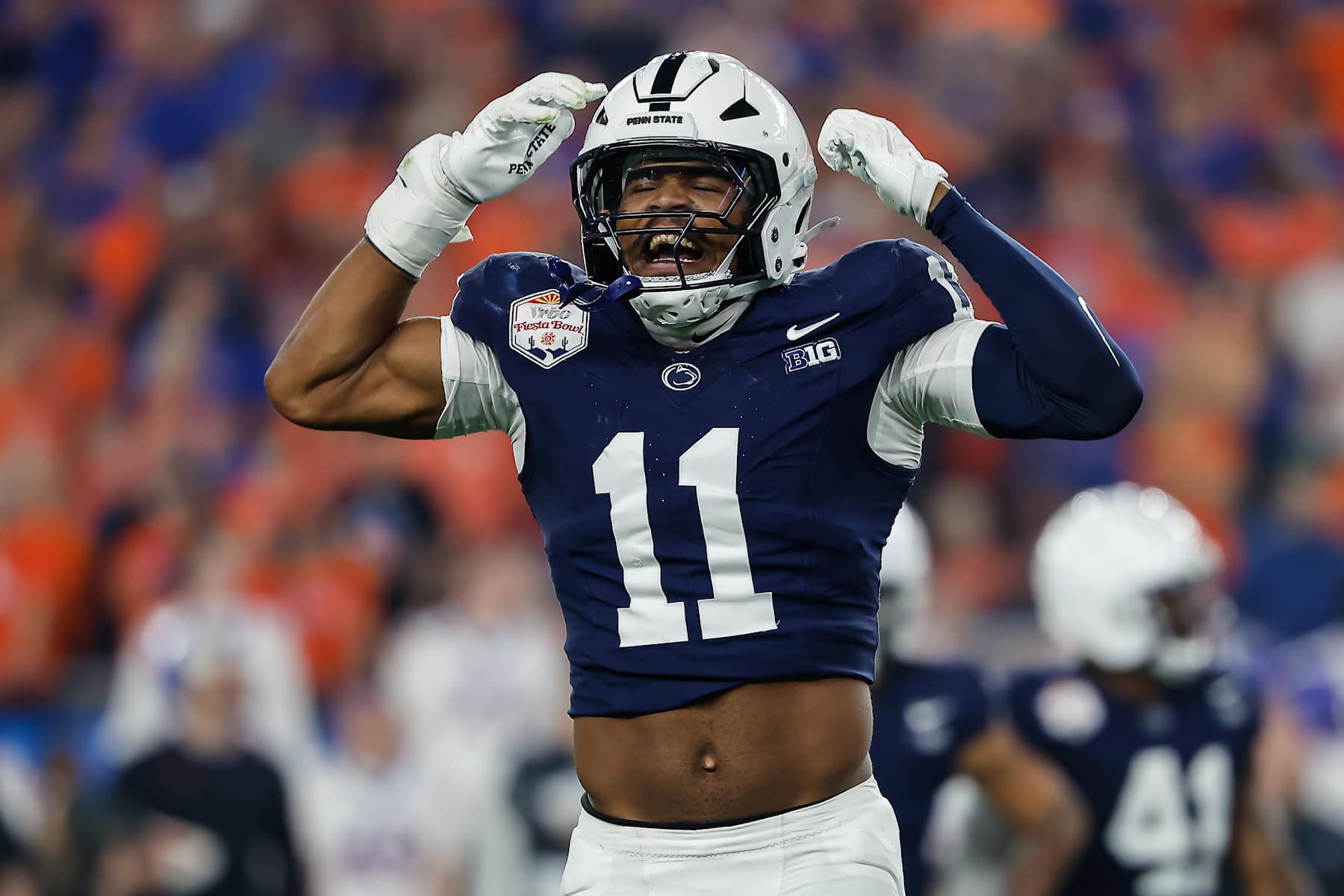
If your favorite team needs help getting after the quarterback, this is the year to pay attention. The edge defender class is widely regarded as the strongest position group in 2025. At the top is Abdul Carter (Penn State), an explosive pass rusher with elite first-step quickness and burst. Carter’s ability to bend and flatten around the corner routinely wrecked offensive game plans in college, and he “demands attention on every snap” with his game-changing speed. Behind him is a cadre of rushers with high ceilings:
James Pearce Jr. (Tennessee) is a freakishly quick sack artist, Mike Green (Marshall) is a polished technician with a nonstop motor, and Donovan Ezeiruaku (Boston College) brings underrated production and burst. Even the second tier – including big, athletic edge players like Shemar Stewart (Texas A&M) and Mykel Williams (Georgia) – offers impressive traits and two-way ability. The consensus is that pass rush depth will carry well into Day 2, with future starters available even in the middle rounds. That’s great news for teams looking to beef up their defense: 2025’s edge class could produce a slew of 8-10 sack contributors and perhaps a few game-changing Pro Bowlers in the mold of recent top pass rushers.
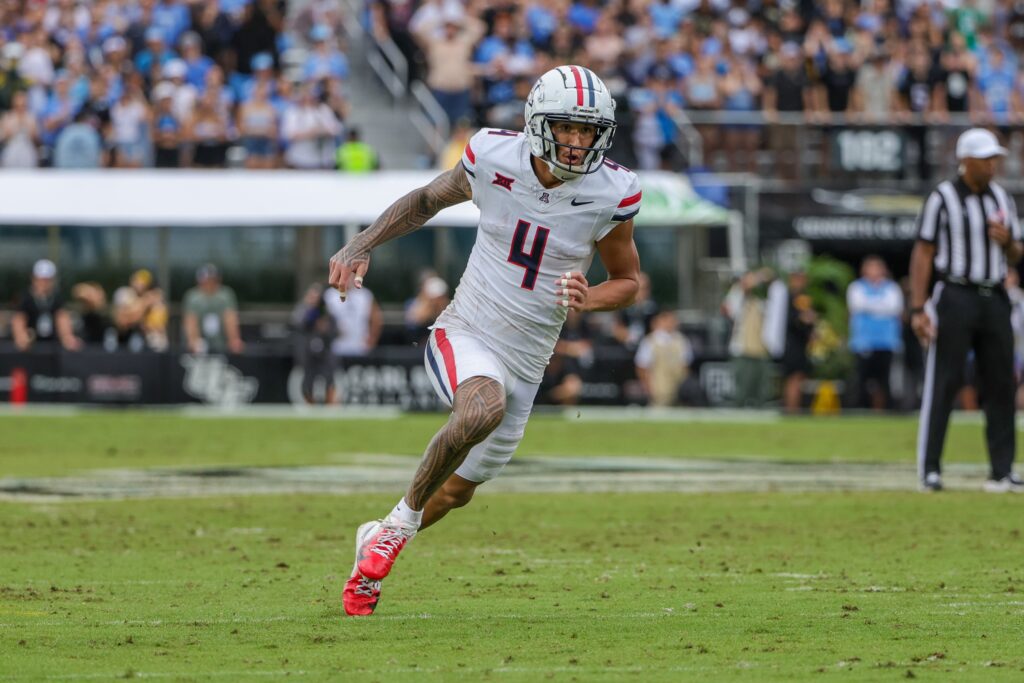
After a 2024 class that spoiled us with blue-chippers like Marvin Harrison Jr. and others, this year’s wide receiver group is seen as lacking a bona fide top-10 star, but it makes up for it with depth. There may not be a “can’t-miss” Pro Bowl-caliber receiver in this class, yet several pass-catchers project as quality contributors. Tetairoa McMillan (Arizona) is a big-bodied, acrobatic target who thrives on contested catches downfield, routinely winning 50-50 jump balls with his exceptional body control. Matthew Golden (Texas) has been one of the pre-draft process’s biggest risers – his blazing 4.29-second 40-yard dash and overall explosiveness have turned heads, boosting him into first-round conversations. Golden’s game isn’t just straight-line speed, either; he’s shown crafty route-running to create separation underneath, making him a dangerous all-around weapon.
Also in the mix is Emeka Egbuka (Ohio State), the latest polished Buckeye receiver who runs sharp routes with reliable hands, projecting as a high-floor NFL starter. Playmakers like Luther Burden III (Missouri) – a dynamic catch-and-run specialist – and Isaiah Bond (Texas) – a speedy slot chain-mover – add to the depth through Rounds 2 and 3. The 2025 receiver class might not have a Harrison Jr., but it offers plenty of talent for teams seeking a new target. Look for many of these receivers to come off the board between the late first and the middle rounds as teams fill out their receiving corps.
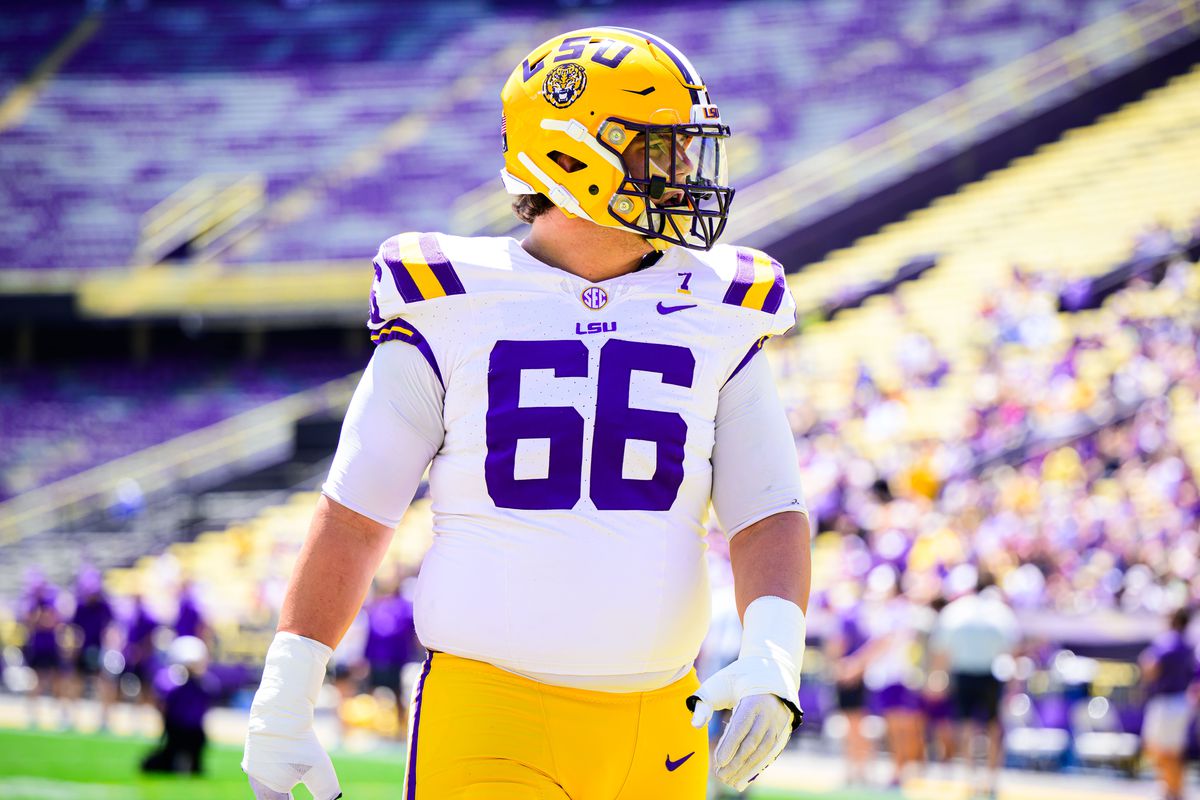
Offensive line talent is always at a premium, and this year’s class offers a few potential cornerstones, especially at offensive tackle, though opinions vary on how NFL-ready they are. The top tackle prospects include Will Campbell (LSU), Armand Membou (Missouri), and Josh Simmons (Ohio State). Campbell is viewed by some analysts as the “crown jewel” of the OTs, a nasty blocker who can fit any scheme once he refines his technique. Membou is a massive yet agile lineman with rare movement skills for his size – he overwhelms defenders at the point of attack and climbs to the second level like a much lighter player. Simmons, a transfer who impressed as a one-and-done starter for the Buckeyes, combines long arms and quick feet, showing flashes that suggest he could be a perennial Pro Bowler in the pros. The consensus is that perhaps five offensive tackles could go in Round 1, but there’s also a feeling that many of this year’s tackles come with boom-or-bust potential. As one draft analyst noted, beyond the top few, a lot of the Day 2/Day 3 tackles might end up as average starters rather than high-impact stalwarts.
On the interior line, the class is a bit thinner. There’s a clear “big three” among interior OL: Tyler Booker (Alabama), Donovan Jackson (Ohio State), and Grey Zabel (NDSU). All three could be plug-and-play starters at guard (or center in Zabel’s case), but after them there’s a noticeable drop-off in talent. Teams that don’t grab one of the top interior guys by about the early fourth round may opt to wait until late in the draft for developmental depth. In short, 2025 offers a few excellent O-line prospects at the top – particularly at tackle – but it’s not the deepest trench class overall. Look for those elite tackles to come off the board early as teams with vulnerable quarterbacks jockey to improve their protection.
Every draft develops its own personality based on positional strength, and in 2025 a few trends stand out. Defense dominates the top tier of talent this year, with edge rushers and defensive linemen leading the way. Analysts rank edge defender as the strongest position in this class, thanks to the abundance of pass rushers we described earlier – teams in need of sacks should be thrilled with the options through the first two days. The defensive tackle group isn’t far behind; up to four interior D-linemen could carry first-round grades. In fact, this DT class could be one of the deepest in recent memory – names like Mason Graham (Michigan), Kenneth Grant (Michigan), Derrick Harmon (Michigan State), and Walter Nolen (Texas A&M) all project as potential impact starters. Overall, front-seven defensive talent is plentiful. The running back class is also notably strong, boasting a mix of star power at the top (e.g. Boise State’s Ashton Jeanty) and lots of depth throughout the middle rounds. In fact, one analyst compared Jeanty’s collegiate impact to Saquon Barkley’s, noting the wealth of productive runners available into Day 3.
On the flip side, a couple of position groups are viewed as weak links. As discussed, quarterback is considered a below-average class in terms of elite talent – outside of the top two names, there’s limited star potential and many of the QBs project more as future backups or developmental starters. That could make teams nervous if they’re desperate for a QB, potentially fueling trade-ups to ensure they get their guy (or, conversely, causing some QB-needy teams to wait until 2026). The safety position is another sore spot. For the third straight year, safety ranks near the bottom of positional strength. There are a few solid prospects – Georgia’s Malaki Starks and Notre Dame’s Xavier Watts among them – but overall the class lacks both star power and depth. Even the top safety on many boards, South Carolina’s Nick Emmanwori, is seen as more of a raw traits-based pick than a polished product. Teams prioritizing a safety may have to reach a bit or settle for developmental types. Other positions like off-ball linebacker and tight end fall somewhere in the middle: not particularly deep, but with a couple of intriguing players at the top.
All told, expect defensive linemen (edge and interior) and running backs to fly off the board relatively early and often, while teams hunting for quarterbacks or safeties might find the selection pool disappointingly thin after the first handful of names.
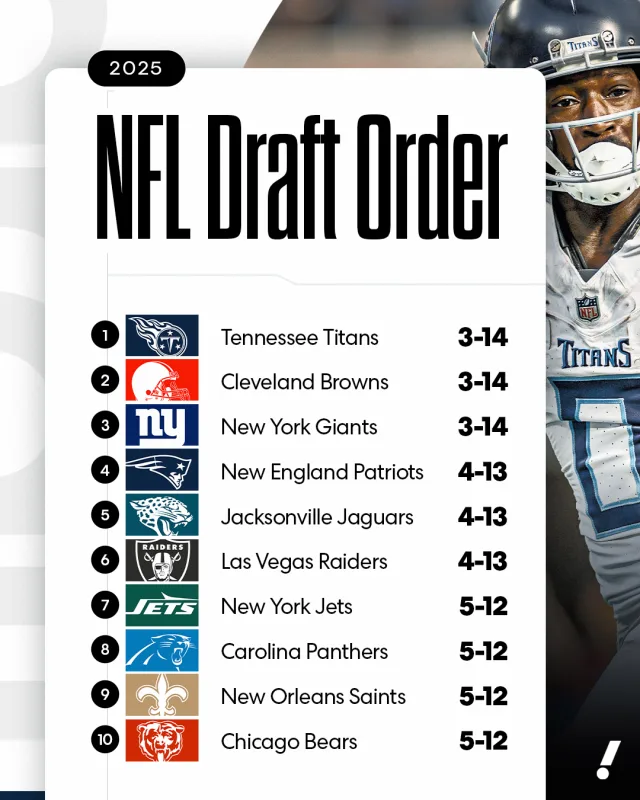
With the draft order set and free agency mostly in the rearview, the picture of the early first round is coming into focus. Several franchises picking in the top 10 have glaring needs that align with this class’s strengths – and of course, the quarterback drama will be front and center. Here’s an overview of what to watch among the draft’s opening picks:
These are just the top 10, but the early first round is packed with pivotal decisions. We may see three quarterbacks go in the first handful of picks despite the class’s questions, simply because Tennessee, Cleveland, and New York are all QB-needy. And don’t discount a potential trade or two – a QB-desperate team in the teens (like perhaps the Pittsburgh Steelers, who traded away Kenny Pickett and could be eyeing a young QB) might try to leap into the top 5. Conversely, a team sitting high that isn’t chasing a QB (Patriots or Jaguars, for example) could consider moving down to collect more picks. As always, the top of the draft will set the tone for the chaos to follow on draft night.
Beyond the names on the big board, several storylines are shaping the narrative of the 2025 draft season:
In short, the 2025 draft is rich with plotlines: players overcoming adversity, under-the-radar prospects shooting up boards, and front offices wheeling and dealing to shape their franchise’s future. It’s these human and strategic elements that make the NFL Draft so much more than just a talent grab – it’s three days of drama and intrigue that captivate fans nationwide.
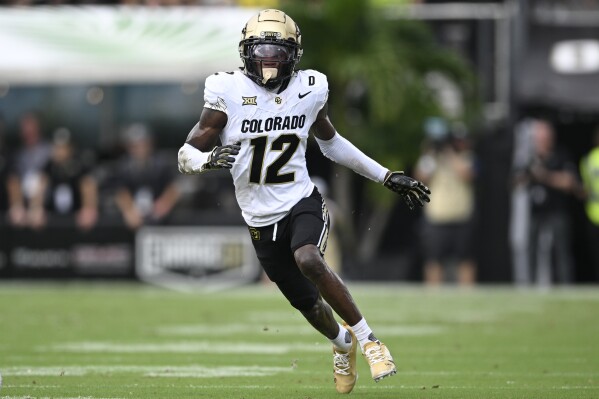
A top prospect and two-way college star celebrates after a victory, embodying the confidence and talent of this draft class.
This year’s NFL Scouting Combine in Indianapolis provided plenty of buzz and some eye-opening performances. Here are a few key takeaways from the combine and college pro days:
All in all, the combine and pro days have provided valuable data and some memorable moments. They’ve helped shape the narrative for many prospects – some boosted their stock by answering questions (be it speed, strength, or health), while others left scouts wanting to dig back into the film to reconcile testing vs. on-field play. Now, with the workouts essentially done, it’s full speed ahead to draft night, with teams assembling all these puzzle pieces (game tape, measurables, interviews, medicals) to finalize their draft boards.
The stage is set for the 2025 NFL Draft, and it promises to be an exciting blend of uncertainty and talent. We have a draft class where defensive studs and offensive playmakers abound, even if the quarterback crop isn’t as hyped as last year’s. We’ve got teams at the top desperate to find their quarterback of the future, and others eager to load up on the exceptional defensive prospects available. The narrative threads – from Travis Hunter’s two-way ambitions to players fighting back from injuries – add depth beyond just the mock drafts and big boards. And with the draft headed to historic Green Bay, Wisconsin (Titletown is hosting this year), the atmosphere should be electric as a new generation of players fulfills their NFL dreams.
As dedicated fans and casual observers alike prepare for draft day, one thing is certain: there will be surprises. Maybe it’s a trade that no one saw coming, or a late-rising player sneaking into the top 10, or a franchise-altering quarterback gamble. The beauty of the NFL Draft is that it combines thorough scouting with a little bit of Vegas uncertainty – you truly don’t know how it will unfold until the commissioner steps up to the podium and the picks start flying. So grab your favorite beverage, settle in on April 24th, and enjoy the drama of the 2025 NFL Draft. Whether your team is picking first, last, or not until Day 3, the ripple effects of these three days will shape the league for years to come. Football’s next wave is here – and we’re about to find out where all these talented young men will begin their NFL journey. Let the draft begin!
Sources:


